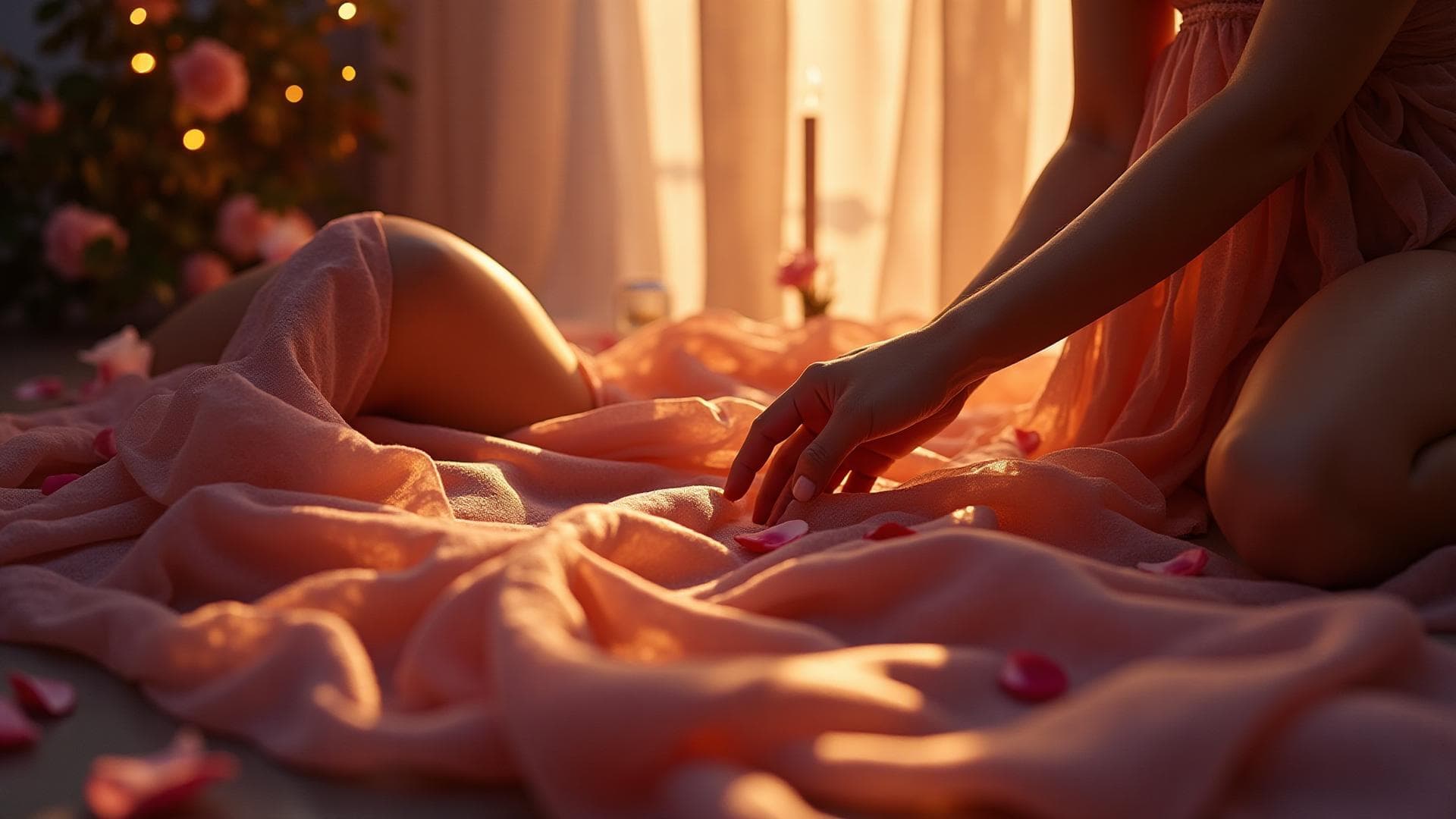
Colour shapes the mood of a room and the impression clothing makes. The science is less settled than popular “colour psychology” suggests, but there are useful, well-observed patterns worth knowing.
A large study across 30 countries found that people associate colours with emotions in broadly similar ways, while culture, language and personal memory still shape what a colour means to each of us. That mix is why colour works best as a starting point rather than a rule.
What the Research Shows
In laboratory studies, bright, highly saturated colours tend to feel more stimulating and soft, muted ones more restful, and how bright and saturated a colour is matters as much as its hue. Light colour also matters at night: blue-rich light increases alertness and delays melatonin, while warm, dim light does not.
Warm, strong colours on walls tend to make a room feel closer and more enclosing; cool, pale colours make it feel more open. A small room in deep warm tones feels cocooning, while a pale, cool palette feels airy.
Many popular claims do not hold up. There is no good evidence that particular colours change hormone levels, and the well-known idea that pink calms aggression did not survive controlled studies. Treat colour as a question of mood and taste, not chemistry.
“Colours are the smiles of nature.” — Leigh Hunt
Red
Red is widely associated with passion and intensity, and saturated red is among the most stimulating colours in lab studies. Research on red and attraction is often cited, but the measured effect is small, so treat it as mood, not magic.
In lingerie, red is a traditional choice for a bold, confident look. Wear it when it makes you feel that way; if it feels like a costume, it will not. Deeper reds such as burgundy and wine keep red’s warmth while feeling quieter and more refined.
In a room, red works best as an accent. Red candles, a silk cushion or a single throw add warmth without dominating the space.
Soft Pastels
Blush, lavender and pale peach read as gentle and romantic rather than dramatic, which suits bedrooms and quiet evenings.
Blush pink is a popular bedroom colour because it looks soft and warm without being loud. Lavender sits between blue and pink, cool enough to feel restful and warm enough to feel soft, and it looks especially good by candlelight.
In lingerie, pastels give a soft, delicate look. Choose shades that flatter your skin tone; very pale colours can wash out some complexions, while slightly warmer blush or peach tones often suit more people.
Earth Tones
Warm browns, taupe and terracotta feel natural and understated. They suit people who prefer a relaxed look over anything dramatic, and they pair easily with wood, linen and stone.
Jewel Tones
Emerald, sapphire and deep purple feel rich and considered, especially in velvet or silk, which deepen their colour.
Deep purple has been linked with royalty for centuries, partly because purple dye was once rare and costly. Used in velvet or silk, it gives a room a rich, dramatic depth.
Finding Your Own Palette
Your own response to a colour matters more than any general rule. Notice which colours you reach for and which make you feel most like yourself; those are the ones that will work in your room and your wardrobe.
For lingerie, a few versatile shades plus one or two you love is a practical approach. Consider what you will wear over them: nude shades closest to your skin tone are least visible under light clothing.
Preferences change over time. Stay open to trying a new shade in something small, like a cushion or a camisole, before committing to more.
Choose the colours you enjoy living with; that is the only rule that holds.
