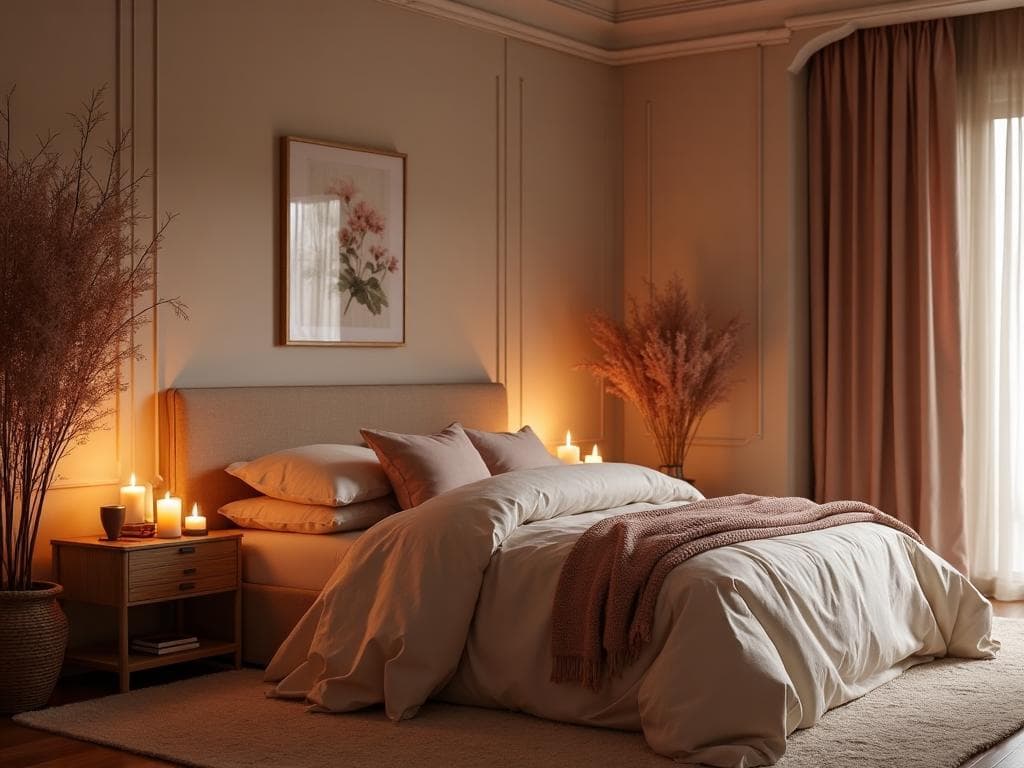
Your home should be more than just a place where you sleep and store your belongings. It should be a sanctuary that nurtures your deepest sense of self, a space that welcomes intimacy and celebrates the full spectrum of human experience. Creating truly intimate spaces requires understanding how environment influences emotion, desire, and connection.
An intimate space whispers rather than shouts. It invites you to slow down, breathe deeply, and reconnect with both yourself and those you choose to share the space with. These environments are crafted with intention, where every element serves the purpose of comfort, beauty, and emotional well-being.
The Foundation of Intimate Design
Creating intimacy begins with understanding that our environment directly impacts our nervous system. Harsh lighting triggers stress responses, while soft illumination activates our parasympathetic nervous system, encouraging relaxation and openness. Similarly, cluttered spaces create mental noise that interferes with our ability to be present and connected.
Begin by clearing your space of anything that doesn't serve a functional or emotional purpose. This doesn't mean creating a stark, minimalist environment, but rather being intentional about what you choose to keep in your most personal spaces. Each item should either serve a practical need or bring you genuine joy and comfort.
Consider the flow of movement through your space. Can you move gracefully from your bed to your bathroom? Is there a clear path that doesn't require navigating obstacles? Physical comfort in your environment translates to emotional comfort, creating space for intimacy to naturally unfold.
"A room should never allow the eye to settle in one place. It should smile at you and create fantasy."
The Language of Light
Lighting is perhaps the most powerful tool in creating intimate atmosphere. Overhead lighting, while practical for daily tasks, can feel harsh and exposing in moments when you want to feel relaxed and sensual. Instead, create layers of light that can be adjusted based on your mood and activities.
Candles remain unmatched in their ability to create warmth and intimacy. The flickering light mimics the natural rhythms our ancestors knew, triggering a deep sense of calm and safety. Place candles at varying heights throughout your space, ensuring they're safely positioned away from fabrics and in stable holders.
Dimmer switches on existing fixtures allow you to control the intensity of light throughout the day. In the evening, gradually lower the lights as bedtime approaches, signaling to your body that it's time to wind down. Salt lamps provide a warm, amber glow that's particularly soothing in the evening hours.
Consider the quality of natural light in your space during different times of day. Sheer curtains allow daylight to filter softly into your room while maintaining privacy. Heavy drapes can create complete darkness when needed, essential for quality sleep and creating a cocoon-like atmosphere for rest and intimacy.
Textures That Invite Touch
Our sense of touch profoundly influences our emotional state and comfort level. The textures in your intimate spaces should invite contact and provide sensory pleasure. This doesn't require expensive furnishings, but rather thoughtful attention to the materials that surround you.
Layer different textures to create visual and tactile interest. A smooth silk pillowcase against a nubby linen duvet, a soft cashmere throw draped over a leather chair, or a plush rug beside a sleek wooden floor all create contrast that keeps the space engaging and luxurious.
Natural materials tend to feel better against skin and often improve with age and use. Wood, stone, cotton, linen, wool, and silk all have qualities that synthetic materials cannot replicate. These materials also tend to regulate temperature better, contributing to overall comfort.
"The details are not the details. They make the design."
Scent as Invisible Design
Scent is often overlooked in interior design, yet it's one of our most powerful senses for creating atmosphere and triggering emotional responses. The right fragrance can instantly transform how a space feels, creating memories and associations that enhance intimacy and comfort.
Natural scents tend to be more complex and appealing than synthetic fragrances. Essential oils, dried herbs, fresh flowers, and natural candles made from soy or beeswax provide fragrance without the headaches that synthetic scents can cause some people.
Different scents create different moods. Lavender promotes relaxation and sleep, while ylang-ylang and jasmine are known for their sensual properties. Sandalwood and cedar create grounding, meditative atmospheres. Citrus scents energize and refresh, perfect for morning routines.
Creating Privacy and Sanctuary
True intimacy requires privacy and the feeling of being in a protected, sacred space. This doesn't necessarily mean physical isolation, but rather creating clear boundaries that signal when you're in your personal sanctuary.
Window treatments serve multiple functions in intimate spaces. They control light, provide privacy, and can significantly impact the room's aesthetic. Consider layering different window treatments: sheer panels for daytime privacy while maintaining light, and heavier drapes for complete privacy and darkness when desired.
Sound plays a crucial role in creating sanctuary. Soft background music can mask outside noise while creating atmosphere. Sound machines, fans, or even apps that provide white noise can help create acoustic privacy, especially important in shared living situations.
Personalizing Your Sanctuary
The most intimate spaces reflect the authentic self of their inhabitant. While design principles provide guidance, your personal history, preferences, and dreams should ultimately guide your choices. An intimate space should tell your story and support your vision of your best life.
Display objects that hold personal meaning: photographs of loved ones, artwork that moves you, books that have influenced your thinking, or collections that represent your interests and travels. These personal touches make a space uniquely yours and create conversation starters for intimate moments shared with others.
Remember that creating an intimate space is an ongoing process, not a destination. As you grow and change, your space should evolve with you. Pay attention to what makes you feel most comfortable, most yourself, most open to connection and joy. Let these observations guide your continued refinement of your personal sanctuary.
"Where Elegance Meets Desire, you discover not only intimacy but a deeper connection to yourself."