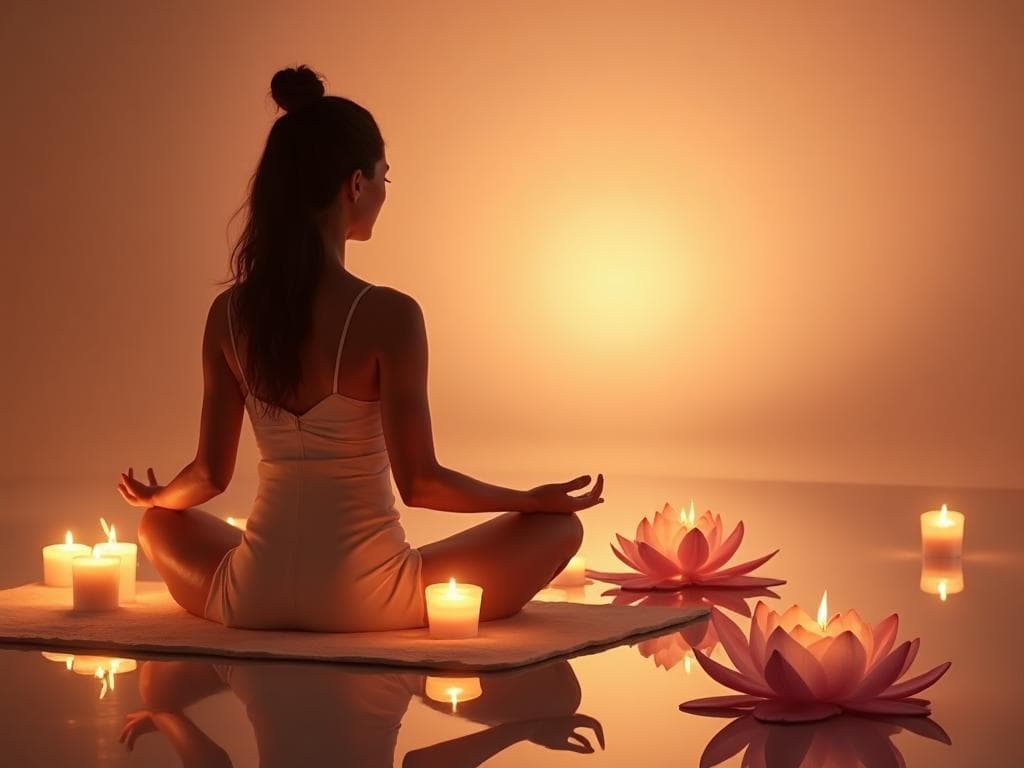
Self-care is less about treats and more about paying attention: noticing what you need and responding with something that helps. It works best as a set of small, sustainable habits that support you from day to day.
Busy lives make it easy to override tiredness, tension and stress until they become hard to ignore. Mindful self-care means checking in earlier and adjusting sooner.
Checking In
Before choosing what to do, pause and notice. Are your shoulders tight? Is your breathing shallow? Are you tired, restless or low? That quick check tells you whether you need rest, movement, food, company or quiet.
Build a few check-ins into the day: on waking, between tasks and before bed. Approach them with curiosity rather than judgment; the point is to notice, not to fix everything at once.
The evidence here is encouraging but modest: a review by Canada’s Drug Agency (formerly CADTH) found the strongest support for mindfulness in depression, while results for anxiety were less clear.
“Caring for myself is not self-indulgence, it is self-preservation.” — Audre Lorde
A Calmer Morning
Mindful mornings do not need much time. Even five unhurried minutes can make the start of the day feel calmer.
Before checking your phone, spend a moment noticing your breath and the weight of your body, and decide on one thing you want to do well today. Then bring your full attention to something simple, such as the temperature of the water when you wash your face or the taste of your first drink.
The Bath as Restorative Ritual
A bath is one of the simplest ways to set aside unhurried time. Water has been part of rest and ritual across many cultures, and treating your bath as protected time can make it genuinely restorative.
Before getting in, soften the lighting, and if you light candles, keep them in view and never leave them unattended. Keep the water warm rather than hot. If you are prone to irritation, skip bath salts, bubble bath and essential oils, which can irritate delicate intimate skin; fragrance can come from a candle rather than the water.
Use the time for slow self-massage of your shoulders, arms and legs. This is not about improving anything, only about giving yourself the kind of care you would give someone you love.
Mindful Movement
Movement becomes self-care when it responds to how you feel rather than punishing you. Mindful movement means noticing how your body feels and what it can do today.
Let your energy guide the choice: some days a brisk walk or dancing, other days gentle stretching. Stop or ease off if something hurts.
Setting Boundaries
Boundaries are a practical form of self-care. They start with recognizing your limits and saying so clearly, even when someone may be disappointed.
Saying no to requests that do not fit your values, energy or time is not selfish; it lets you give generously where you do say yes.
Building Your Toolkit
Self-care is personal. Try different practices and keep the ones that actually help, rather than the ones you think should.
Have options for different days: a five-minute practice for busy days, a longer one for quiet weekends, and a plan for stressful periods, such as protecting sleep, eating regularly and reaching out to someone you trust.
Self-care supports wellbeing but is not a substitute for professional help. If low mood, anxiety or stress persists or starts to affect daily life, speak with your doctor or a mental health professional. In Canada, the 9-8-8 Suicide Crisis Helpline is available 24/7 by call or text.
Small, regular care adds up; start with the check-in and build from there.
